• People always say that the four years of high school fly by. For most of high school, I never completely understood what they meant.

    Now that I have graduated, I do.

    I still remember my first day of freshman year. I remember walking through the building, trying to understand my schedule, paper map in my hand, and hearing the bell ring after first period for the first time. I remember the morning announcements, the assemblies, and meeting people during that first semester who would later become some of my closest friends.

    At the time, four years sounded incredibly long. Somehow, they are already over.

    A High School Experience of My Own

    I had attended private school for my entire life before high school, so entering a larger high school environment felt completely new.

    Most movies and TV shows portray high school as full of drama, bullying, and conflict, but my experience was much better. It was filled with friendships, laughter, assemblies, challenging classes, inside jokes, and ordinary moments that became meaningful over time.

    Some days felt endless while I was living them. Looking back, they passed in seconds, and I would choose my real high school experience over the movie version every time.

    A Time of Firsts

    High school was filled with firsts.

    It was the first time I took AP classes, prepared for major standardized tests, became deeply involved in clinical programs, led a guild, applied to college, and had to advocate for myself academically.

    It was also the first time I truly learned how to study. I discovered that doing well was not only about working longer. It was about understanding how I learned, organizing my time, changing strategies when something was not working, and being willing to ask questions.

    Most importantly, I learned self-advocacy. I became more comfortable speaking with my teachers, asking for clarification, requesting opportunities, and communicating when I needed help.

    A Year of Lasts

    Senior year is also a time filled with lasts.

    There was the last first day of school, the last Homecoming, the last football game, the last school assembly, the last round of morning announcements, and the last time walking through those hallways.

    More than anything, senior year taught me to live in the moment. I tried to say yes more, take on new challenges, and enjoy experiences without always worrying about what came next. You only get to live each chapter once.

    And perhaps one of the most satisfying lasts of all: AP exams are officially over forever!

    How Much Has Changed

    The person graduating is very different from the freshman who walked into the building four years ago.

    I have become more confident, independent, resilient, and willing to speak up for myself. I have learned how to handle disappointment, celebrate progress, manage pressure, and keep moving even when things do not go according to plan.

    High school was not perfect, but it was mine. Everything that happened was part of the experience.

    Looking Ahead

    Graduation is strange because it feels like both an ending and a beginning.

    I am sad to leave behind the people, routines, and places that have been part of my life for four years. At the same time, I am excited to move to Los Angeles, and continue my journey toward medicine.

    The four years really did fly by. I just did not realize how quickly until I was standing at the end of them.

    The bells, announcements, assemblies, classes, and exams may be over, but the lessons and memories will stay with me as I step onto the road ahead.

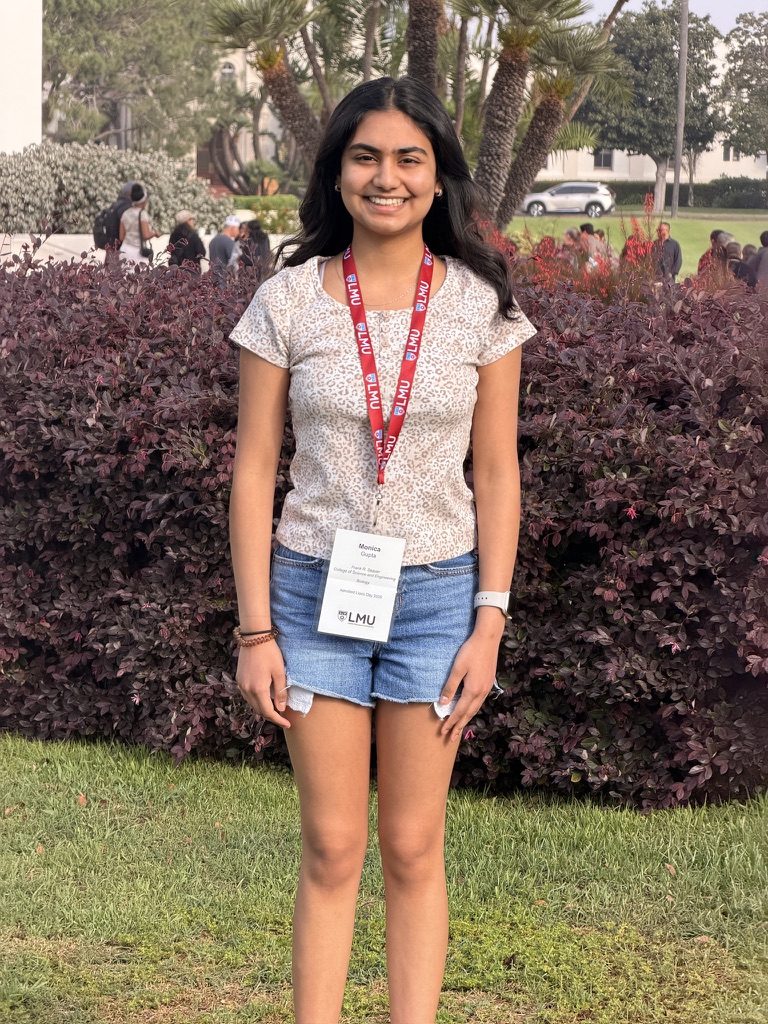
  • After months of applications, essays, interviews, decisions, and campus research, I have officially committed to Loyola Marymount University!

    This fall, I will be moving to Los Angeles to major in Health and Human Sciences as I continue preparing for a future in medicine. I am excited to experience a new city, meet new people, and begin the next chapter of my education.

    Seventeen Acceptances and Seventy-Six Essays

    By the end of the admissions process, I had been accepted to 17 colleges. Getting those decisions was exciting, especially after remembering how much time and effort went into every application.

    In total, I wrote 76 essays.

    Some were only a few hundred words, while others required much deeper reflection. I wrote about why I wanted to study medicine, how I had contributed to my community, challenges I had faced, experiences that had shaped me, and the kind of person I hoped to become.

    At the beginning, 76 essays would have sounded impossible. However, I completed them one prompt at a time.

    Learning the Art of Storytelling

    The biggest lesson I learned from college applications was that an essay is not simply a place to repeat your résumé.

    Your activities tell colleges what you did. Your essays show them how you think.

    Writing required me to take my experiences, memories, and personality and put them onto paper. I had to think about why certain moments stayed with me and what they revealed about my values.

    A clinical experience could become a story about empathy. A difficult school year could show perseverance. A leadership role could reveal how I handle responsibility. Even a small memory could become meaningful when I explained why it changed the way I saw something.

    That is the art of storytelling. It is not about making your life sound perfect or dramatic. It is about helping another person understand how an experience affected you.

    Discovering Who I Am

    Senior year is often described as a time to celebrate and prepare for graduation, but it is also a time to reflect.

    Throughout the application process, I learned more about who I am and what matters most to me. Medicine has remained a central goal, but I also recognized how strongly I value service, compassion, curiosity, leadership, and personal connection.

    The essays forced me to slow down and look at the path that brought me here. Experiences that once seemed separate began to form one larger story.

    Why LMU

    Choosing a college was not easy, especially after receiving so many acceptances. Every school offered something different, but LMU felt like the right place for the next stage of my journey. I am also excited about living in Los Angeles and experiencing opportunities in a completely new environment.

    Committing to LMU made everything feel real. Soon, I will be leaving the routines and people I have known for years and beginning again somewhere new.

    The college application process was long and exhausting, but it taught me that our stories matter. The experiences themselves shape us, but reflecting on them helps us understand who we have become.

    I am proud of the story that brought me here, and I cannot wait to begin writing the next chapter at LMU.

  • After months of writing essays, tracking deadlines, and repeatedly checking application portals, I am officially done applying to college.

    My original list included 29 schools, but after researching programs, reconsidering my priorities, and narrowing down my options, I ended up submitting applications to 22 colleges. The list included traditional premed programs along with several BS/DO and BS/MD opportunities.

    Finishing the last application felt like lifting a huge weight off my shoulders.

    Twenty-Two Applications Later

    Applying to 22 schools required much more work than I originally expected. Every college seemed to ask a slightly different version of the same questions: Why this school? Why medicine? What matters to you? How will you contribute?

    Even when two prompts appeared similar, the answer had to be personalized for each school. By the end, I had spent so much time writing about my experiences, values, goals, and interest in medicine that I understood myself better than I had before the process began.

    Submitting the applications did not make all the nervousness disappear, but it did bring a sense of relief. At that point, the decisions were no longer in my hands. I had told my story as honestly as I could, and now I had to wait.

    My Second-to-Last Finals

    At the same time, I completed my second-to-last round of high school finals. It was strange realizing that after this semester, I would only have one finals season left before graduation.

    Finals were still stressful, especially while balancing college applications, interviews, and regular senior-year responsibilities. However, I also noticed how much I had changed since freshman year. I understood my study habits better, knew when to ask for help, and had more experience managing pressure.

    Interviewing at NSU

    One of the biggest experiences of the month was traveling to Nova Southeastern University for interviews connected to its BS/DO program and the Presidential Scholarship.

    The visit gave me the opportunity to experience the campus beyond what I had seen online. I was able to learn more about the program, speak with people in the university community, and imagine what it might feel like to attend school there.

    Interviewing was both exciting and nerve-racking. An application allows you to revise every sentence, but an interview requires you to think in the moment and communicate who you are directly. It reminded me that confidence does not mean having a perfect answer. It means being able to explain your experiences honestly and thoughtfully and back it up with stories.

    Shark Week

    The visit took place during Shark Week, which made the campus feel especially energetic. Seeing the school spirit and meeting other students helped me understand the community in a way that a website or brochure never could.

    January was filled with endings and beginnings. I finished my college applications, completed another round of finals, and began experiencing the interview stage of the admissions process.

    Now comes the hardest part: waiting. Still, I am proud that I made it through the applications and gave each one my best effort. No matter where I eventually attend, this process has already taught me persistence, self-reflection, and how to communicate the story behind my goals.

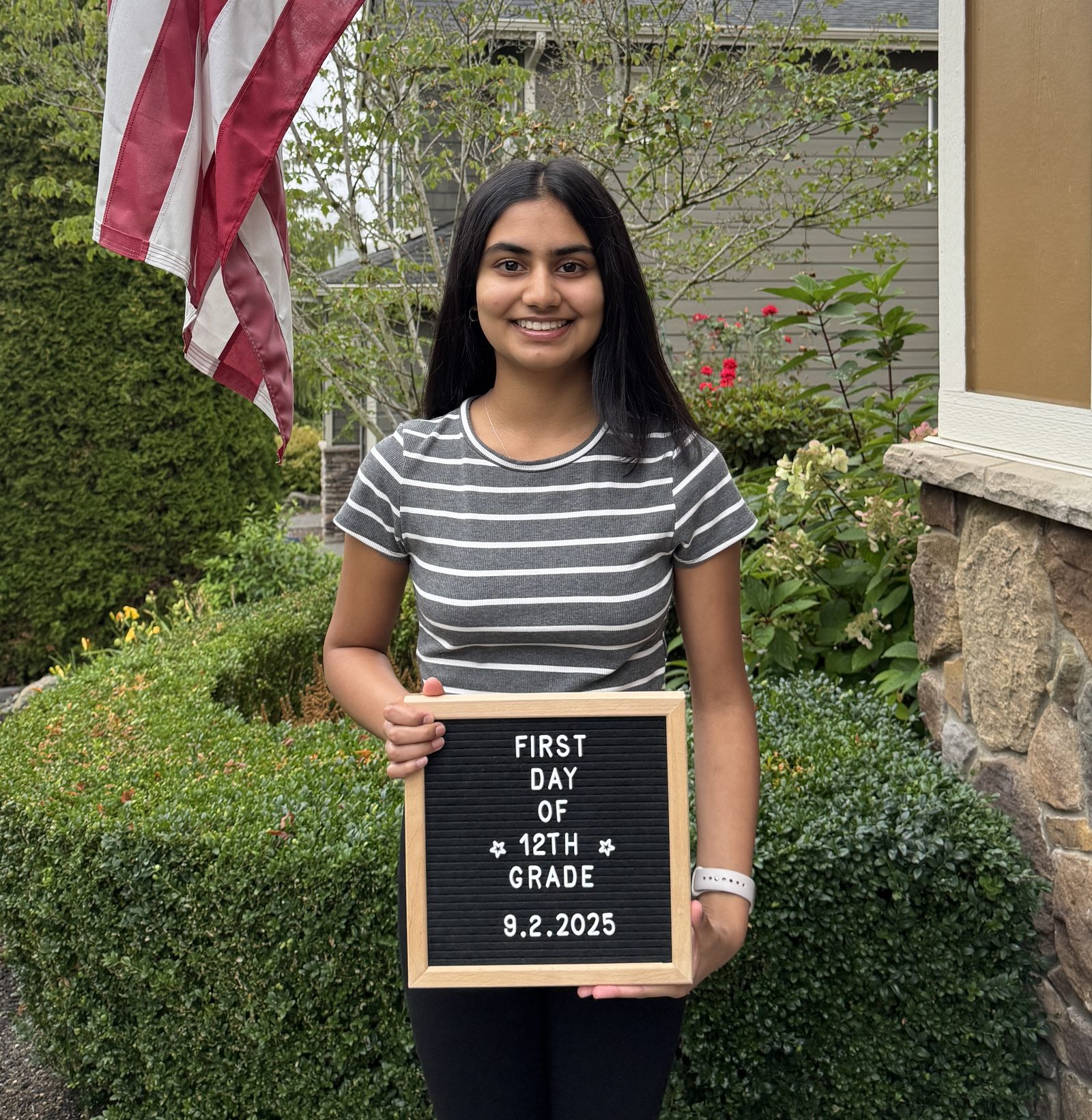
  • Senior year has officially begun, and it already feels different from every other year of high school. There are still classes, homework, tests, and activities, but now college applications are constantly running in the background.

    This fall, my original college list included 29 schools. The programs ranged from traditional premed pathways to combined BS/DO and BS/MD programs. I also planned to submit many of my applications through Early Action, which meant that senior year began with deadlines arriving much faster than I expected.

    More Than Just an Application

    Before starting this process, I thought college applications would mostly be about entering grades, test scores, and activities. I quickly learned that the essays are just as important.

    My personal statement challenged me to think about what experiences have shaped me and what I wanted colleges to understand about me beyond a list of accomplishments. Writing about yourself sounds simple, but it is surprisingly difficult. You have to decide which memories matter, what they reveal about you, and how to fit years of growth into a limited number of words.

    I also began working on several “Why Medicine?” essays for the direct medical programs on my list. These essays made me reflect on all the experiences that strengthened my interest in healthcare, including clinical programs, hospital volunteering, leadership, and the moments when I saw how much compassion matters in medicine.

    Premed, BS/DO, and BS/MD

    Applying to different types of programs also meant answering different types of questions.

    Traditional premed programs focused more on what I hoped to study during college and how I would contribute to the campus community. BS/DO and BS/MD programs asked deeper questions about why I wanted to become a doctor so early and whether I understood the commitment involved.

    It was exciting to imagine the different paths my future could take, but it was also overwhelming. Each program had different requirements, deadlines, and essays. Some days, it felt like finishing one essay only revealed three more waiting behind it.

    Finding My Story

    The most unexpected part of the process has been learning how to tell my own story. My activities may be listed separately on an application, but they are all connected by the same interests: medicine, service, empathy, and helping people feel supported during difficult moments.

    Senior year is supposed to be the finish line of high school, but right now, it also feels like the starting line for everything that comes next.

    There are still many applications and essays ahead of me, but I am excited to see where this process takes me. For now, I am taking it one deadline, one essay, and one application at a time.

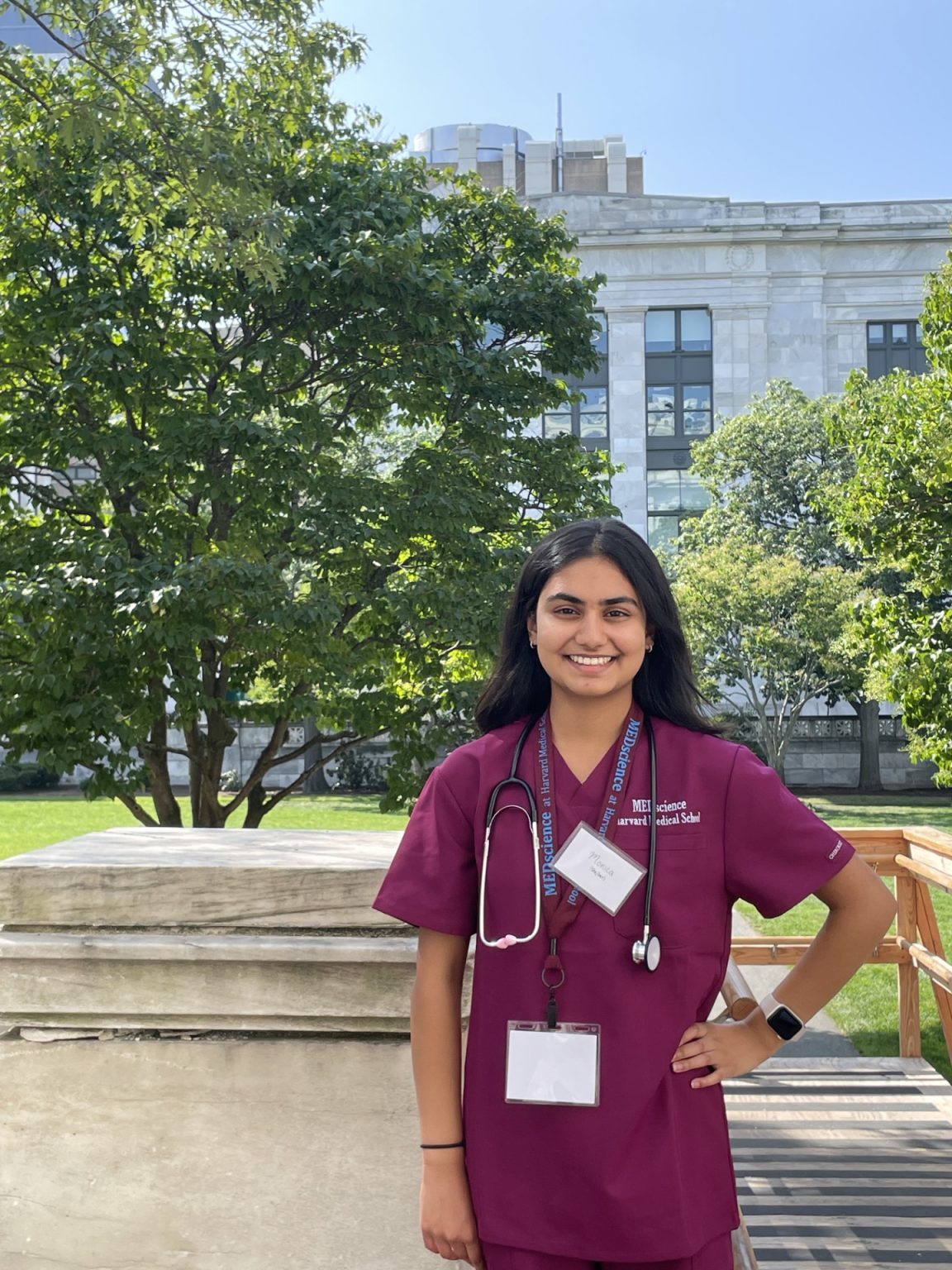
  • This past week at HMS MedScience Clinical has been one of the most exciting and meaningful learning experiences of my life. Each day challenged me to think like a doctor, not just in terms of medical knowledge but also teamwork, empathy, and handling pressure. Here is what I experienced:


    Day 1: Not the First Time in Scrubs

    On the first day, I was placed in a group of ten and introduced to Stop the Bleed training. We then moved into two patient simulations, including one with asthma, where we had to divide up roles, communicate clearly, and keep track of everything on the whiteboard.

    I learned the difference between treatment and intervention and was surprised to find out that inhalers use a man made version of adrenaline. Later, I attempted intubation and out of five students I was the first to get it right on the very first try. That moment gave me a huge boost of confidence.

    We also studied the normal ranges for vital signs including oxygen saturation, blood pressure, respiratory rate, temperature, and heart rate. Wearing scrubs the entire day made me feel proud, like I was truly stepping into the role of a future doctor.


    Day 2: Trauma Under Pressure

    Day two started with learning how to place IVs in both small and large veins. The highlight though was the trauma patient simulation. The patient was yelling in pain, oxygen levels were dropping, and everyone froze under the pressure. Even though I was only supposed to be the scribe, I stepped in by asking where it hurt, guiding the team, and calling for oxygen.

    That is when I realized I love trauma care. The urgency did not scare me, it made me sharper. I also learned that with trauma patients stabilization always comes first. Questions can wait, bleeding cannot.

    Later, I performed an intraosseous procedure. When the instructor checked it, he told me I had done an excellent job and that it was stable. He also told me I had excellent bedside manner, pointing out how I reassured a patient who had called himself “70 years young.” He said, “Knowledge and bedside manner, many people have one, but not the other. You have both.” Hearing that made me feel proud, because I know how rare that balance can be in medicine.


    Day 3: Growing Confidence

    On the third day, we trained in CPR and AED use on both adult and infant dummies. We also worked through a case of diabetic ketoacidosis.

    I got more practice with suturing, which was not my first time but gave me the chance to refine my skills and even help two other students. At lunch, while I was quietly zoning out over my sandwich, one of my group members suddenly said, “You look like you could be a doctor.” That simple comment warmed my heart because that is exactly my dream.


    Day 4: The Emotional Side of Medicine

    Day four showed me just how much emotion is part of medicine. A guest speaker reminded us that there are many different paths into the field, even becoming an anesthesiology tech during undergrad.

    In simulations, we treated a patient with gallstones and learned how diet changes can contribute to them, and then moved into a labor and delivery case. The most impactful moment came with a patient who had an ectopic pregnancy. She came in with a stomach ache, and after tests we discovered the pregnancy was in the fallopian tube. For her health, it had to be terminated. Delivering that kind of news showed me how medicine is not just about science, it is about compassion and honesty in the hardest moments.


    Day 5: Lessons in Empathy

    On the final day, we faced a patient with an opioid overdose. He was difficult, refusing to answer questions and acting arrogant. Instead of my usual approach, I asked very specific and targeted questions to limit frustration for both of us. I realized something important. Patients often come to the hospital at their worst, and as a doctor, you have to be at your best.

    In the middle of our huddle, the patient grabbed medication from the cart and his vitals crashed. We had to perform CPR, provide breaths, and give meds until he stabilized. Later, I learned that our compressions had not been deep enough. I also had to help calm a teammate who was frustrated and ready to lash out.

    What struck me most was understanding, chemically and emotionally, what addiction does to people. It gave me more empathy for patients struggling with substance use. It is not as simple as just telling someone to stop. Knowledge, I realized, builds empathy.

    We also learned how to triage patients, not just by severity but by mortality rates and ethics. I found it fascinating that two doctors might triage the same group differently and both could justify their choices. That day, I also practiced backboarding and earned four certificates, including an “Empath Award” for being the most empathetic in my group. Hearing that I had excellent bedside manner was the perfect way to end the week. The other certificates included – Stop the Bleed, CPR/AED, and one for successfully completing the program


    Looking Back

    In just five days, I learned how to intubate, place IVs, suture, perform CPR, run trauma simulations, and even handle delicate conversations. But more than the technical skills, I learned that medicine is about teamwork, compassion, and the ability to stay calm when others freeze.

    This week at HMS MedScience Clinical reminded me why I want to be a doctor and gave me a glimpse of the kind of doctor I hope to become.

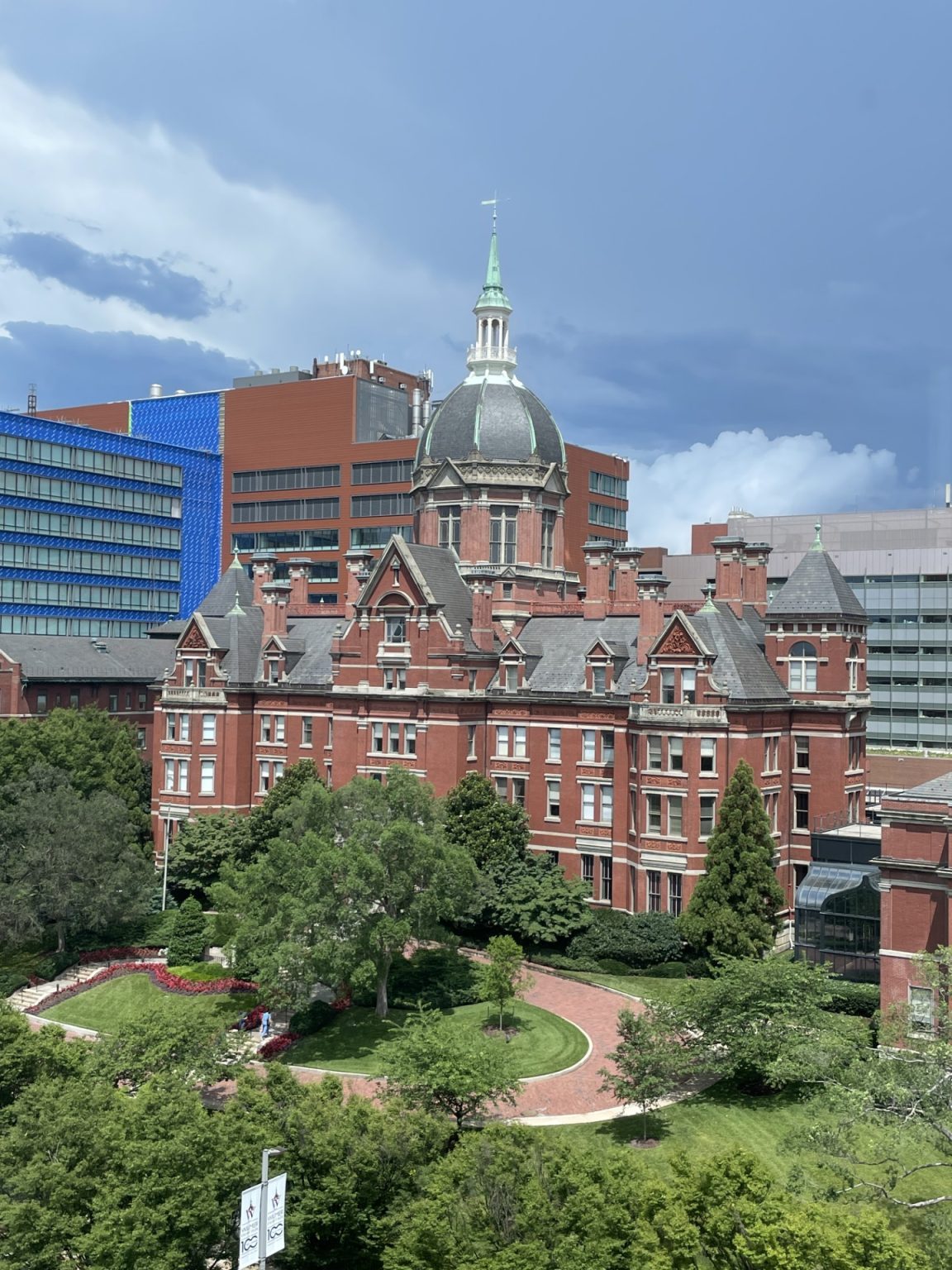
  • This July, I had the incredible opportunity to spend part of my summer at Johns Hopkins University for a college level course called the Medical School Intensive. As a high school student dreaming of a future in medicine, being accepted into the program felt surreal, like I was taking my very first steps toward the white coat I have always imagined myself wearing.

    Stepping Into Hopkins

    Walking onto campus for the first time was exciting and intimidating all at once. Johns Hopkins is world famous for medicine, and I could almost feel the weight of history and discovery in the air. Knowing I was learning in the same place where so many groundbreaking medical advances happened made me even more motivated to give my best.

    The Classroom Experience

    The intensive lived up to its name. Our days were packed with lectures, labs, and hands on activities that gave me a real taste of what medical school might feel like. I learned about the human body in greater depth than ever before, explored medical ethics, and got exposure to problem based learning where we worked through case studies just like real medical students do.

    One of my favorite parts was hearing from physicians and researchers who came in as guest speakers. They were not just teaching us facts, they shared their journeys, struggles, and what keeps them passionate about medicine. It reminded me that becoming a doctor is not just about mastering science, it is about staying curious and resilient.

    Dorm Life

    Living in the dorms was its own adventure. It was my first time staying in a college residence hall, and it gave me a taste of independence. Sharing a room and common spaces with other students from across the country taught me how to balance my own schedule, manage my time, and also make new friends quickly.

    Even though many students stayed up late hanging out, I usually went to sleep early so I could be rested for the next full day of classes. It felt good to set my own routine and stick to it. In the evenings before bed, I often reviewed notes from the day or thought about the topics that had inspired me the most. The dorm experience showed me what college life might be like but also gave me confidence in managing my own choices.

    Beyond the Classroom

    Even outside of class, I was learning every day. Meeting other high school students who are just as dedicated to medicine was inspiring. We shared our dreams of becoming doctors, compared notes on our classes, and motivated each other through the long days. By the end of the program, I felt like I had gained not only knowledge but also a community of peers who understand this journey.

    Takeaways

    Leaving Johns Hopkins at the end of July, I felt more confident than ever that medicine is the path for me. The program did not just challenge me academically, it gave me a glimpse of the determination, discipline, and compassion it takes to succeed in this field.

    This experience at Hopkins is something I will carry with me as I continue my premed journey. For now, I am more excited than ever to keep chasing the dream that one day, I will be the one in the white coat.! 💙🩺

  • This week I wrapped up my fifth round of finals in high school. Out of eight total, I’m officially past the halfway mark. And while finals are never easy, this isn’t my first rodeo — and that makes all the difference.

    From Stress to Strength

    The first time I faced finals, it felt like the weight of the world was on my shoulders. Every test seemed like a do-or-die moment. But five rounds later, I’ve learned something powerful: finals don’t define you — how you prepare, persevere, and bounce back does.

    Each season has taught me a little more about myself: how I study best, when I need to rest, and how much my mindset shapes the outcome. What once felt overwhelming has become an opportunity to prove to myself that I can handle pressure and grow stronger with every challenge.

    Lessons That Go Beyond the Classroom

    • Preparation beats panic. Consistency pays off more than last-minute cramming.
    • Rest is a weapon. A clear mind outperforms an exhausted one every time.
    • Perspective is everything. One test never defines your journey — resilience does.

    Looking Ahead

    With three more finals seasons left before graduation, I know there will still be late nights, tough tests, and stressful moments. But now I carry confidence from experience: I’ve been here before, and I’ll get through it again.

    Finals aren’t just exams. They’re practice for life — for showing up under pressure, pushing through self-doubt, and reminding yourself that growth happens outside your comfort zone.

    This wasn’t my first rodeo. And it won’t be my last. But each time, I walk away a little stronger — and that’s the real win.

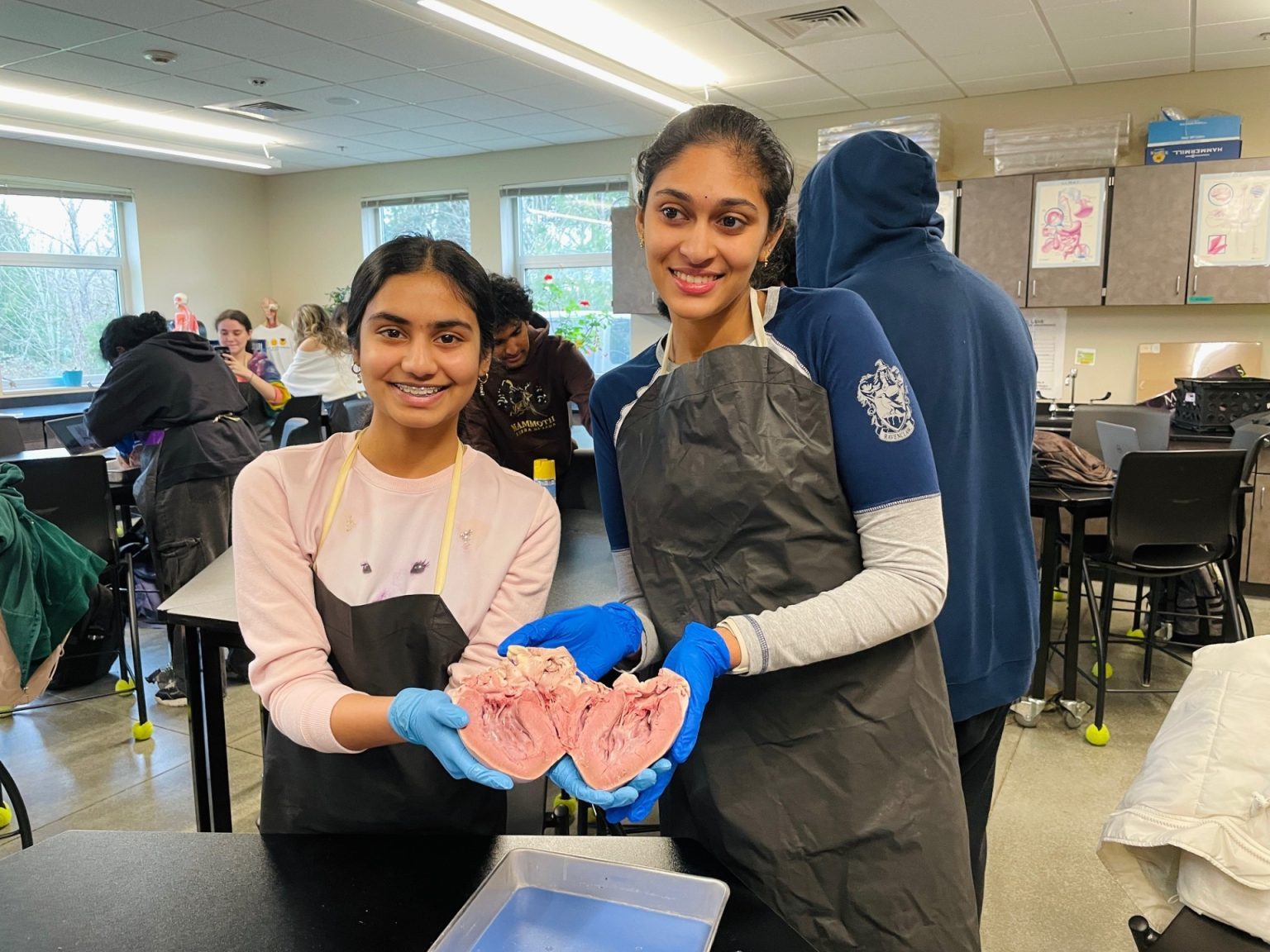
  • Last week in my Anatomy and Physiology class, we dissected a pig heart. It wasn’t my first time. Over the summer, I had the incredible opportunity to participate in a clinical internship at Stanford, where I also got to work with pig hearts. While the internship gave me a deeper, more technical understanding, this recent dissection felt more relaxed and easier to follow.

    This time, I could appreciate the heart’s structures without the pressure of complex clinical terminology. Seeing the atria, ventricles, and valves up close again made it clear how the heart functions as a pump. I remembered the way blood flows through each chamber and how the valves prevent backflow, things I had learned in detail at Stanford but could now explain in simple terms to my classmates.

    What stood out this time was how much more confident I felt. My classmates asked questions, and I found myself explaining what I had learned over the summer. It was fun to share that knowledge in a way that made sense to everyone.

    Overall, this dissection showed me how much I’ve grown in understanding the human body. Whether at Stanford or in my high school class, learning hands-on always beats just reading about it in a textbook!

  • As an 11th grader, being the Junior Guild President of Emerald City Angels at Seattle Children’s Hospital has been nothing short of an incredible experience. Leading this amazing group of people has not only taught me about leadership and collaboration but has also allowed me to make a tangible impact on the lives of children and families in our community.

    A Mission to Warm Hearts and Homes

    Emerald City Angels began with a simple but powerful mission: to bring comfort and support to children undergoing treatment at Seattle Children’s Hospital. From handmade blankets and hats to financial contributions, our efforts aim to ease some of the challenges families face during these difficult times.

    Making an Impact Through Micro-Volunteering

    One of the most rewarding aspects of our guild is our partnership with local organizations, including Microsoft. This is the second year; we’ve organized micro-volunteering events that allow busy Microsoft techies to contribute in meaningful ways. These events have included knitting blankets and hats for the preemies at the Children’s hospital

    Our events are a true community effort. Whether it’s setting up a knitting circle, gathering donations, or spreading the word about our cause, every participant plays a vital role. It’s inspiring to see how even a few hours of collective effort can make a big difference.

    Fundraising Success: $15,000 and Counting

    In addition to micro-volunteering time, we’ve also focused on raising funds to support the hospital’s research pediatric care. This year, Emerald City Angels has raised over $15,000! Each dollar raised goes directly toward programs that improve the lives of children and their families, from purchasing medical equipment to funding play therapy sessions.

    Lessons Learned as a Leader

    Being a Junior Guild President has taught me so much about leadership, empathy, and perseverance. Coordinating events, managing volunteers, and connecting with donors have all challenged me to grow as an organizer and communicator. Most importantly, it’s shown me the power of community support, how people from all walks of life can come together to make a difference.

    Looking Ahead

    As I reflect on our accomplishments, I’m filled with gratitude for everyone who has supported Emerald City Angels. I’m also excited about what’s next. We have plans to expand our events, partner with more local organizations, and continue raising funds for Seattle Children’s Hospital.

    To anyone reading this: thank you for taking an interest in our work. If you’re inspired to get involved, whether by volunteering, donating, or simply spreading the word, we’d love to have you join our mission.

    Together, we can continue to bring comfort, care, and hope to those who need it most. Here’s to many more milestones ahead for Emerald City Angels!

  • Junior year is no joke. The second school starts, it feels like you’re buried in homework, tests, and prep for standardized tests like the SAT and PSAT. With college on the horizon, the pressure is intense, and managing everything can feel overwhelming.

    First Week Chaos

    The first few days of school are a whirlwind. You start thinking you’ve got it under control, but soon realize that the workload is insane. Between AP classes, extracurriculars, and daily homework, it’s hard to even catch your breath.

    SAT and PSAT: Added Stress

    On top of schoolwork, there’s SAT prep. It’s not just about knowing the material; it’s about mastering strategy and timing. Every free minute seems to go towards reviewing practice questions or taking mock tests. And if you’re eyeing National Merit through the PSAT, the stakes feel even higher.

    AP Classes: A New Level

    AP courses are challenging, no doubt. They demand critical thinking, analysis, and way more time than regular classes. Balancing multiple APs means late nights and long study sessions, which can be exhausting.

    The Balancing Act

    The hardest part? Balancing it all. Organization is key—planners, to-do lists, and time management help avoid complete chaos. But it’s also important to take breaks to prevent burnout.

    Looking Forward

    Despite the stress, junior year is about growth. The hard work will eventually pay off as we get closer to college. In the meantime, we just need to keep pushing through and supporting each other through the chaos.