• This past week at HMS MedScience Clinical has been one of the most exciting and meaningful learning experiences of my life. Each day challenged me to think like a doctor, not just in terms of medical knowledge but also teamwork, empathy, and handling pressure. Here is what I experienced:
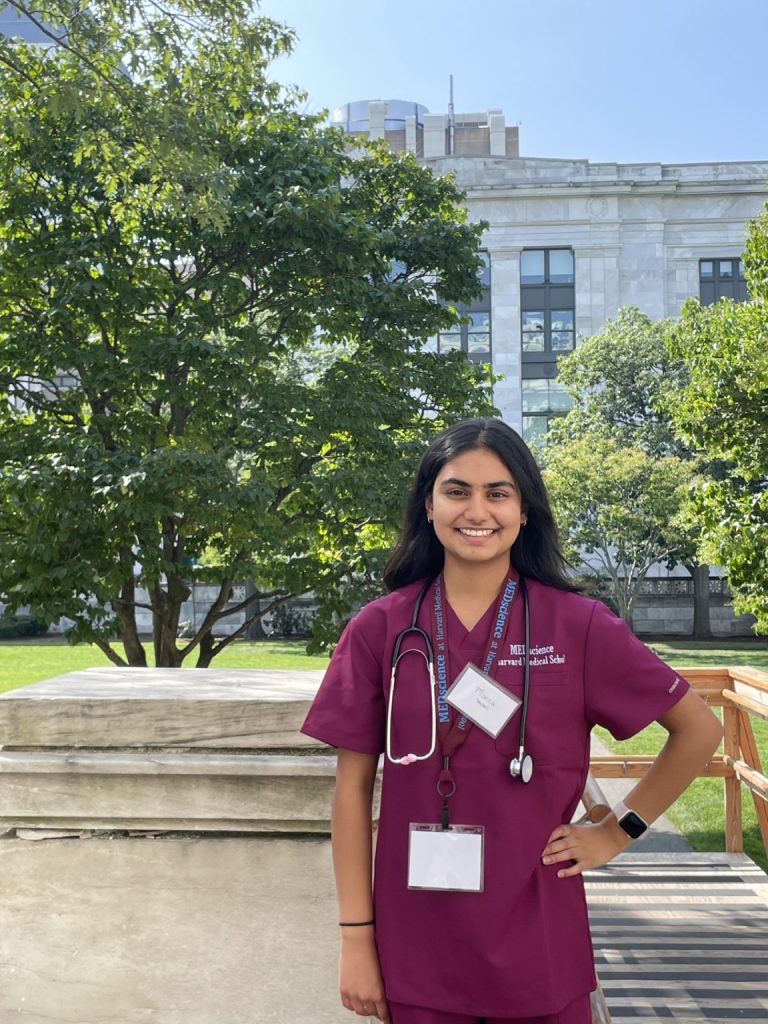

    Day 1: Not the First Time in Scrubs

    On the first day, I was placed in a group of ten and introduced to Stop the Bleed training. We then moved into two patient simulations, including one with asthma, where we had to divide up roles, communicate clearly, and keep track of everything on the whiteboard.

    I learned the difference between treatment and intervention and was surprised to find out that inhalers use a man made version of adrenaline. Later, I attempted intubation and out of five students I was the first to get it right on the very first try. That moment gave me a huge boost of confidence.

    We also studied the normal ranges for vital signs including oxygen saturation, blood pressure, respiratory rate, temperature, and heart rate. Wearing scrubs the entire day made me feel proud, like I was truly stepping into the role of a future doctor.


    Day 2: Trauma Under Pressure

    Day two started with learning how to place IVs in both small and large veins. The highlight though was the trauma patient simulation. The patient was yelling in pain, oxygen levels were dropping, and everyone froze under the pressure. Even though I was only supposed to be the scribe, I stepped in by asking where it hurt, guiding the team, and calling for oxygen.

    That is when I realized I love trauma care. The urgency did not scare me, it made me sharper. I also learned that with trauma patients stabilization always comes first. Questions can wait, bleeding cannot.

    Later, I performed an intraosseous procedure. When the instructor checked it, he told me I had done an excellent job and that it was stable. He also told me I had excellent bedside manner, pointing out how I reassured a patient who had called himself “70 years young.” He said, “Knowledge and bedside manner, many people have one, but not the other. You have both.” Hearing that made me feel proud, because I know how rare that balance can be in medicine.


    Day 3: Growing Confidence

    On the third day, we trained in CPR and AED use on both adult and infant dummies. We also worked through a case of diabetic ketoacidosis.

    I got more practice with suturing, which was not my first time but gave me the chance to refine my skills and even help two other students. At lunch, while I was quietly zoning out over my sandwich, one of my group members suddenly said, “You look like you could be a doctor.” That simple comment warmed my heart because that is exactly my dream.


    Day 4: The Emotional Side of Medicine

    Day four showed me just how much emotion is part of medicine. A guest speaker reminded us that there are many different paths into the field, even becoming an anesthesiology tech during undergrad.

    In simulations, we treated a patient with gallstones and learned how diet changes can contribute to them, and then moved into a labor and delivery case. The most impactful moment came with a patient who had an ectopic pregnancy. She came in with a stomach ache, and after tests we discovered the pregnancy was in the fallopian tube. For her health, it had to be terminated. Delivering that kind of news showed me how medicine is not just about science, it is about compassion and honesty in the hardest moments.


    Day 5: Lessons in Empathy

    On the final day, we faced a patient with an opioid overdose. He was difficult, refusing to answer questions and acting arrogant. Instead of my usual approach, I asked very specific and targeted questions to limit frustration for both of us. I realized something important. Patients often come to the hospital at their worst, and as a doctor, you have to be at your best.

    In the middle of our huddle, the patient grabbed medication from the cart and his vitals crashed. We had to perform CPR, provide breaths, and give meds until he stabilized. Later, I learned that our compressions had not been deep enough. I also had to help calm a teammate who was frustrated and ready to lash out.

    What struck me most was understanding, chemically and emotionally, what addiction does to people. It gave me more empathy for patients struggling with substance use. It is not as simple as just telling someone to stop. Knowledge, I realized, builds empathy.

    We also learned how to triage patients, not just by severity but by mortality rates and ethics. I found it fascinating that two doctors might triage the same group differently and both could justify their choices. That day, I also practiced backboarding and earned four certificates, including an “Empath Award” for being the most empathetic in my group. Hearing that I had excellent bedside manner was the perfect way to end the week. The other certificates included – Stop the Bleed, CPR/AED, and one for successfully completing the program


    Looking Back

    In just five days, I learned how to intubate, place IVs, suture, perform CPR, run trauma simulations, and even handle delicate conversations. But more than the technical skills, I learned that medicine is about teamwork, compassion, and the ability to stay calm when others freeze.

    This week at HMS MedScience Clinical reminded me why I want to be a doctor and gave me a glimpse of the kind of doctor I hope to become.
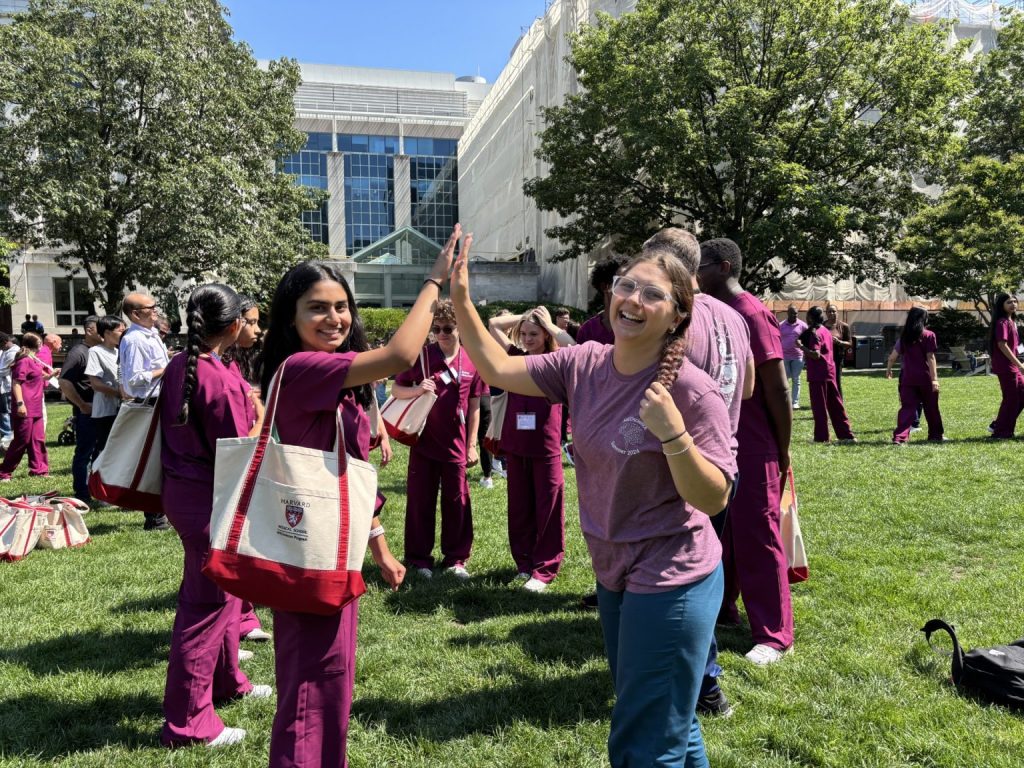
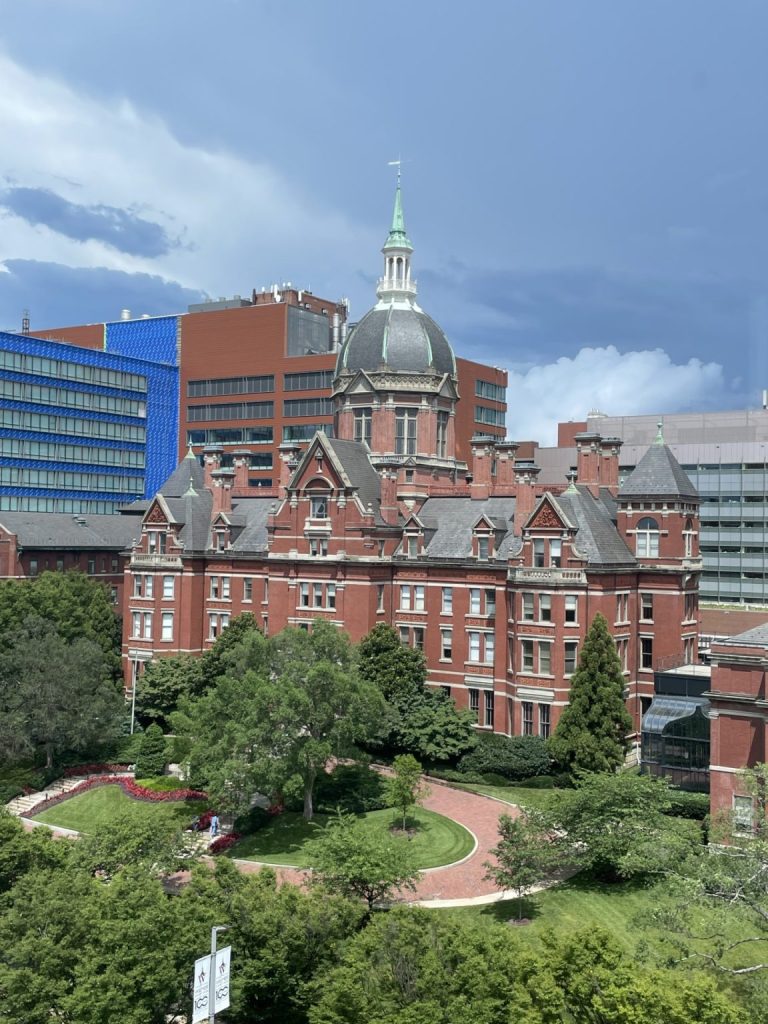
  • This July, I had the incredible opportunity to spend part of my summer at Johns Hopkins University for a college level course called the Medical School Intensive. As a high school student dreaming of a future in medicine, being accepted into the program felt surreal, like I was taking my very first steps toward the white coat I have always imagined myself wearing.

    Stepping Into Hopkins

    Walking onto campus for the first time was exciting and intimidating all at once. Johns Hopkins is world famous for medicine, and I could almost feel the weight of history and discovery in the air. Knowing I was learning in the same place where so many groundbreaking medical advances happened made me even more motivated to give my best.

    The Classroom Experience

    The intensive lived up to its name. Our days were packed with lectures, labs, and hands on activities that gave me a real taste of what medical school might feel like. I learned about the human body in greater depth than ever before, explored medical ethics, and got exposure to problem based learning where we worked through case studies just like real medical students do.

    One of my favorite parts was hearing from physicians and researchers who came in as guest speakers. They were not just teaching us facts, they shared their journeys, struggles, and what keeps them passionate about medicine. It reminded me that becoming a doctor is not just about mastering science, it is about staying curious and resilient.

    Dorm Life

    Living in the dorms was its own adventure. It was my first time staying in a college residence hall, and it gave me a taste of independence. Sharing a room and common spaces with other students from across the country taught me how to balance my own schedule, manage my time, and also make new friends quickly.

    Even though many students stayed up late hanging out, I usually went to sleep early so I could be rested for the next full day of classes. It felt good to set my own routine and stick to it. In the evenings before bed, I often reviewed notes from the day or thought about the topics that had inspired me the most. The dorm experience showed me what college life might be like but also gave me confidence in managing my own choices.

    Beyond the Classroom

    Even outside of class, I was learning every day. Meeting other high school students who are just as dedicated to medicine was inspiring. We shared our dreams of becoming doctors, compared notes on our classes, and motivated each other through the long days. By the end of the program, I felt like I had gained not only knowledge but also a community of peers who understand this journey.

    Takeaways

    Leaving Johns Hopkins at the end of July, I felt more confident than ever that medicine is the path for me. The program did not just challenge me academically, it gave me a glimpse of the determination, discipline, and compassion it takes to succeed in this field.

    This experience at Hopkins is something I will carry with me as I continue my premed journey. For now, I am more excited than ever to keep chasing the dream that one day, I will be the one in the white coat.! 💙🩺

  • This week I wrapped up my fifth round of finals in high school. Out of eight total, I’m officially past the halfway mark. And while finals are never easy, this isn’t my first rodeo — and that makes all the difference.

    From Stress to Strength

    The first time I faced finals, it felt like the weight of the world was on my shoulders. Every test seemed like a do-or-die moment. But five rounds later, I’ve learned something powerful: finals don’t define you — how you prepare, persevere, and bounce back does.

    Each season has taught me a little more about myself: how I study best, when I need to rest, and how much my mindset shapes the outcome. What once felt overwhelming has become an opportunity to prove to myself that I can handle pressure and grow stronger with every challenge.

    Lessons That Go Beyond the Classroom

    • Preparation beats panic. Consistency pays off more than last-minute cramming.
    • Rest is a weapon. A clear mind outperforms an exhausted one every time.
    • Perspective is everything. One test never defines your journey — resilience does.

    Looking Ahead

    With three more finals seasons left before graduation, I know there will still be late nights, tough tests, and stressful moments. But now I carry confidence from experience: I’ve been here before, and I’ll get through it again.

    Finals aren’t just exams. They’re practice for life — for showing up under pressure, pushing through self-doubt, and reminding yourself that growth happens outside your comfort zone.

    This wasn’t my first rodeo. And it won’t be my last. But each time, I walk away a little stronger — and that’s the real win.

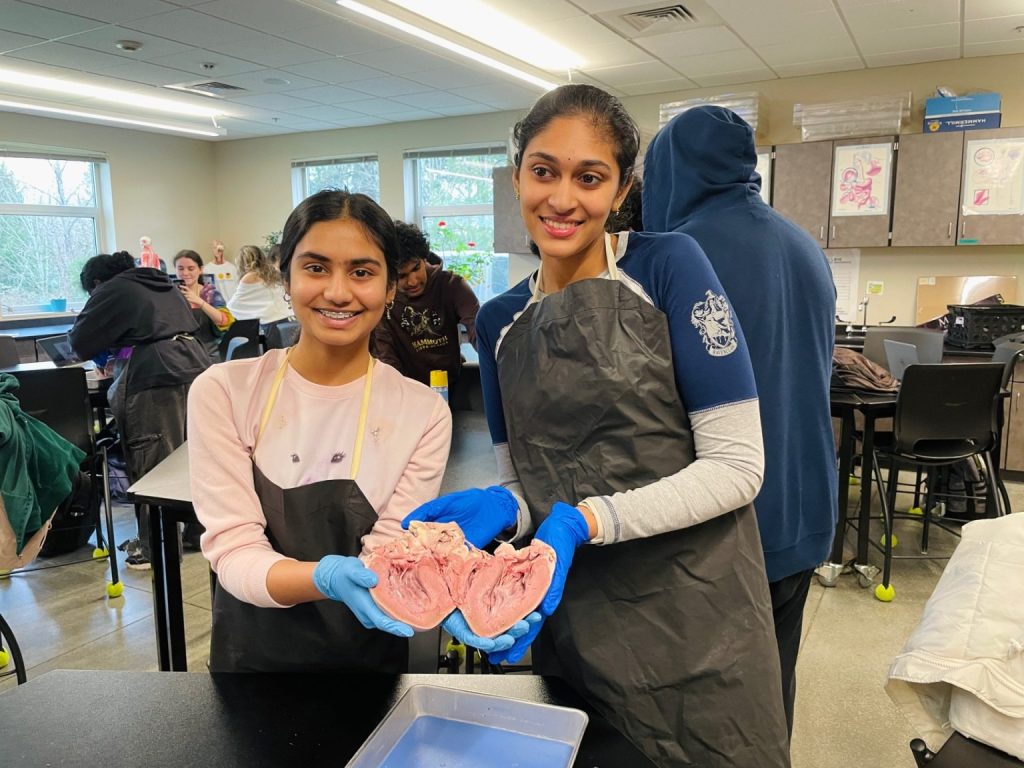
  • Last week in my Anatomy and Physiology class, we dissected a pig heart. It wasn’t my first time. Over the summer, I had the incredible opportunity to participate in a clinical internship at Stanford, where I also got to work with pig hearts. While the internship gave me a deeper, more technical understanding, this recent dissection felt more relaxed and easier to follow.

    This time, I could appreciate the heart’s structures without the pressure of complex clinical terminology. Seeing the atria, ventricles, and valves up close again made it clear how the heart functions as a pump. I remembered the way blood flows through each chamber and how the valves prevent backflow, things I had learned in detail at Stanford but could now explain in simple terms to my classmates.

    What stood out this time was how much more confident I felt. My classmates asked questions, and I found myself explaining what I had learned over the summer. It was fun to share that knowledge in a way that made sense to everyone.

    Overall, this dissection showed me how much I’ve grown in understanding the human body. Whether at Stanford or in my high school class, learning hands-on always beats just reading about it in a textbook!

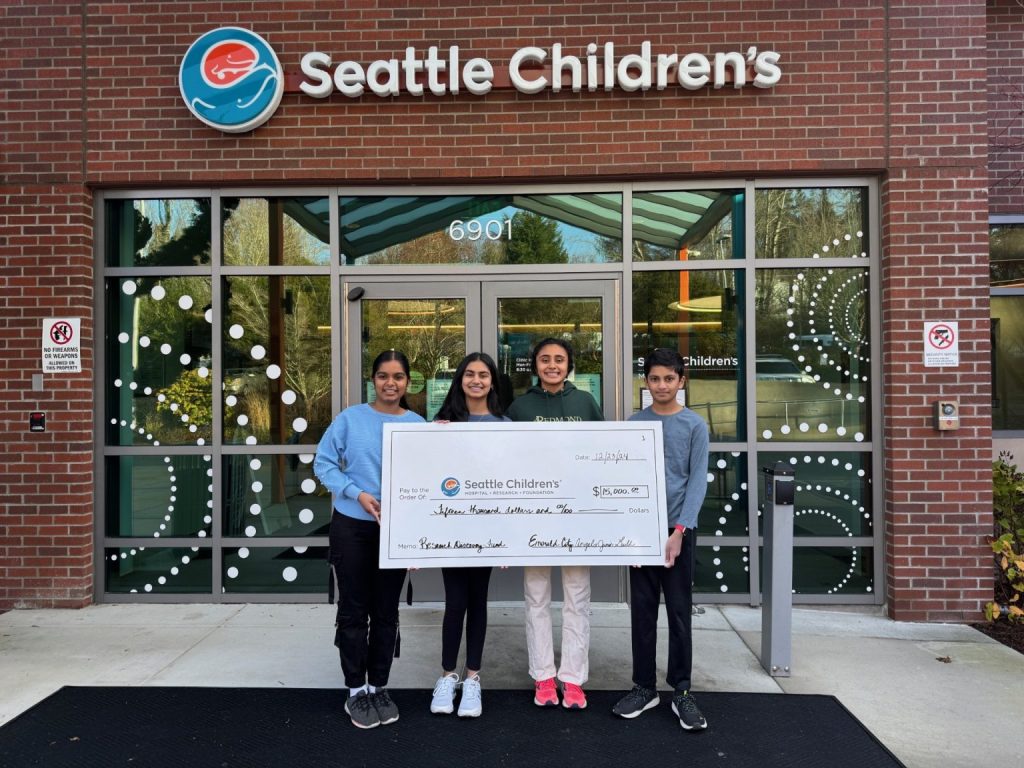
  • As an 11th grader, being the Junior Guild President of Emerald City Angels at Seattle Children’s Hospital has been nothing short of an incredible experience. Leading this amazing group of people has not only taught me about leadership and collaboration but has also allowed me to make a tangible impact on the lives of children and families in our community.

    A Mission to Warm Hearts and Homes

    Emerald City Angels began with a simple but powerful mission: to bring comfort and support to children undergoing treatment at Seattle Children’s Hospital. From handmade blankets and hats to financial contributions, our efforts aim to ease some of the challenges families face during these difficult times.

    Making an Impact Through Micro-Volunteering

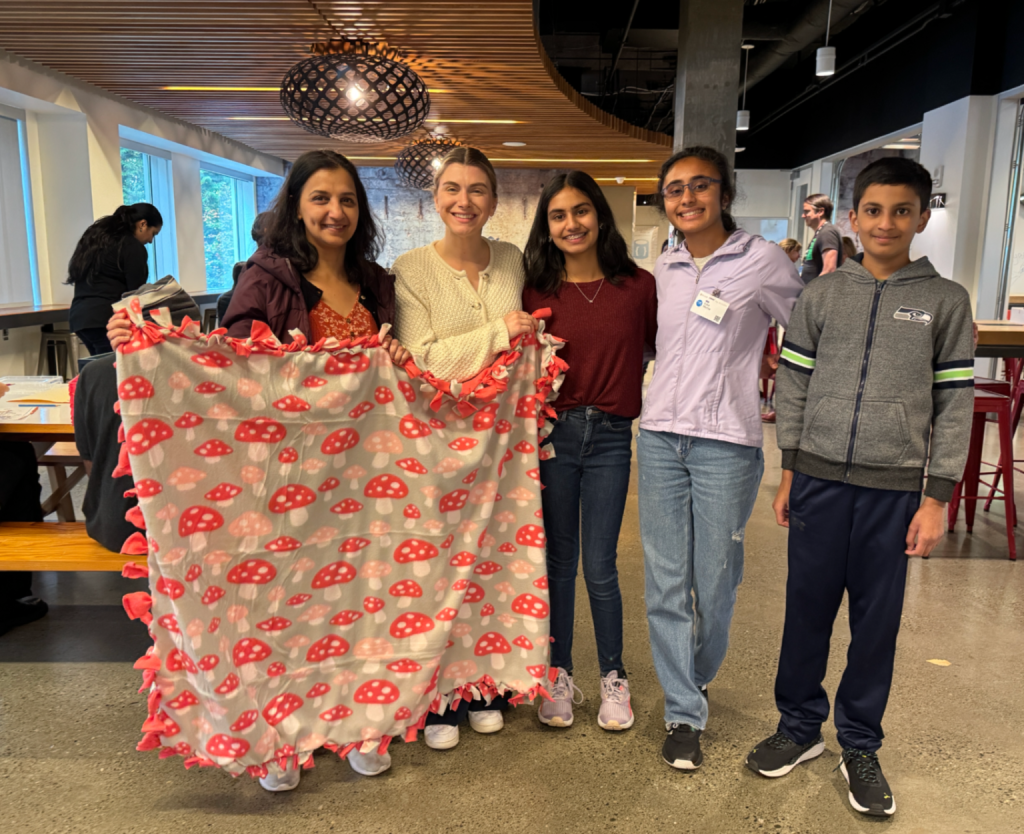
    One of the most rewarding aspects of our guild is our partnership with local organizations, including Microsoft. This is the second year; we’ve organized micro-volunteering events that allow busy Microsoft techies to contribute in meaningful ways. These events have included knitting blankets and hats for the preemies at the Children’s hospital

    Our events are a true community effort. Whether it’s setting up a knitting circle, gathering donations, or spreading the word about our cause, every participant plays a vital role. It’s inspiring to see how even a few hours of collective effort can make a big difference.

    Fundraising Success: $15,000 and Counting

    In addition to micro-volunteering time, we’ve also focused on raising funds to support the hospital’s research pediatric care. This year, Emerald City Angels has raised over $15,000! Each dollar raised goes directly toward programs that improve the lives of children and their families, from purchasing medical equipment to funding play therapy sessions.

    Lessons Learned as a Leader

    Being a Junior Guild President has taught me so much about leadership, empathy, and perseverance. Coordinating events, managing volunteers, and connecting with donors have all challenged me to grow as an organizer and communicator. Most importantly, it’s shown me the power of community support, how people from all walks of life can come together to make a difference.

    Looking Ahead

    As I reflect on our accomplishments, I’m filled with gratitude for everyone who has supported Emerald City Angels. I’m also excited about what’s next. We have plans to expand our events, partner with more local organizations, and continue raising funds for Seattle Children’s Hospital.

    To anyone reading this: thank you for taking an interest in our work. If you’re inspired to get involved, whether by volunteering, donating, or simply spreading the word, we’d love to have you join our mission.

    Together, we can continue to bring comfort, care, and hope to those who need it most. Here’s to many more milestones ahead for Emerald City Angels!

  • Junior year is no joke. The second school starts, it feels like you’re buried in homework, tests, and prep for standardized tests like the SAT and PSAT. With college on the horizon, the pressure is intense, and managing everything can feel overwhelming.

    First Week Chaos

    The first few days of school are a whirlwind. You start thinking you’ve got it under control, but soon realize that the workload is insane. Between AP classes, extracurriculars, and daily homework, it’s hard to even catch your breath.

    SAT and PSAT: Added Stress

    On top of schoolwork, there’s SAT prep. It’s not just about knowing the material; it’s about mastering strategy and timing. Every free minute seems to go towards reviewing practice questions or taking mock tests. And if you’re eyeing National Merit through the PSAT, the stakes feel even higher.

    AP Classes: A New Level

    AP courses are challenging, no doubt. They demand critical thinking, analysis, and way more time than regular classes. Balancing multiple APs means late nights and long study sessions, which can be exhausting.

    The Balancing Act

    The hardest part? Balancing it all. Organization is key—planners, to-do lists, and time management help avoid complete chaos. But it’s also important to take breaks to prevent burnout.

    Looking Forward

    Despite the stress, junior year is about growth. The hard work will eventually pay off as we get closer to college. In the meantime, we just need to keep pushing through and supporting each other through the chaos.

  • As the summer draws to a close and the school year looms on the horizon, I find myself reflecting on the whirlwind of experiences that made this summer one to remember. Being in 11th grade, I knew that this summer would be crucial—both for my academic journey and for personal growth. And boy, was it busy!

    A Quick Trip to London: A Much-Needed Break

    After weeks of intense clinical work, I took a short trip to London to unwind with the family. It was exactly what I needed to recharge for the upcoming school year. London is a city that didn’t fail to impress, and even though it was a short visit, I made the most of it. From the historic landmarks like the Tower of London and Buckingham Palace, every moment was filled with excitement.

    What I loved most about London was its blend of the old and the new. Walking through the streets, you could see centuries-old buildings standing next to modern architecture, and it reminded me of how diverse and dynamic the world is. The food, the culture, the people—it was all a refreshing change of pace from the clinical environment I had been immersed in.

    Looking Ahead: New School Year, New Goals

    Now, with the school year just around the corner, I feel more ready than ever to take on the challenges of 11th grade. My summer experiences have given me a clearer sense of what I want to achieve, both academically and personally. The clinical activities strengthened my resolve to pursue a career in medicine, while my time in London reminded me of the importance of taking breaks and enjoying life’s moments.

    As I prepare to dive back into textbooks, assignments, and exams, I’m carrying with me the lessons and memories from this summer. It’s going to be a busy year, but I’m ready for it, and I can’t wait to see what new experiences lie ahead.

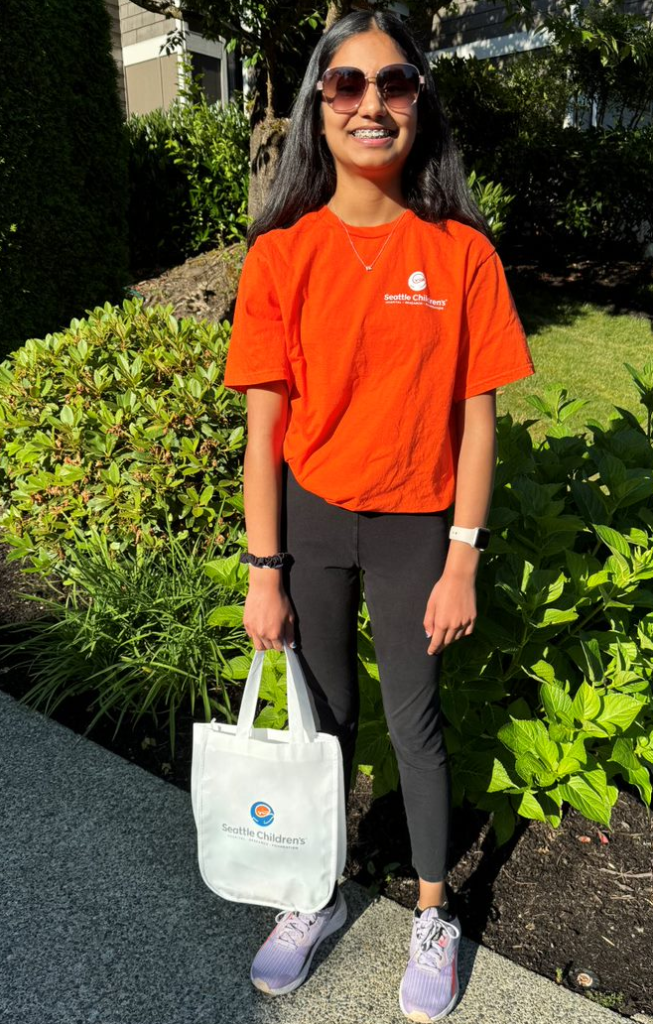
  • This wraps up my summer activities. I had an opportunity to be part of a “Scrubs and Scopes” camp at a local Children’s hospital. During my camp experience, I got to dive into various healthcare roles, each one offering a unique perspective on the medical field.

    GI CNA: I spent time working as a GI CNA (Certified Nursing Assistant), where I had the task of checking in on and rooming 67 patients a day. Cleaning was a huge part of the job, and I used a lot of sanitary wipes—around 20 per room—so I had to move fast. There was one chaotic moment when I ran out of wipes and had to call Central Services because I couldn’t find any in the storage rooms. One memorable interaction was with a toddler who didn’t want to leave their mom’s arms for a weigh-in. We figured out a creative solution by weighing both mom and child together and then just the mom to subtract the difference. I even had to check in some patients via Zoom, which was a new experience for me.

    Pharmacy Rounds: I shadowed a pharmacist during rounds in the GI unit, where I was part of a team that included a GI doctor, a nurse practitioner, a pharmacist, 2 residents, and 2 fourth-year medical students. We saw 15 patients from 7:30 am to noon. Pre-rounds involved the residents and medical students conducting check-ups and physical exams on the patients before presenting their findings during rounds. I asked a medical student what they liked most about rounds, and they humorously replied, “when they end.” The pharmacist played a crucial role, answering questions about medicines and dosages, and addressing any concerns the team had. Some team members had computers or monitors attached to rolling tables, making it easier to move from room to room and floor to floor.

    Nuclear Medicine: In the Nuclear Medicine department, I learned about PET scans. I watched as radioactive isotopes were mixed into oatmeal or mac and cheese, which the patients then ate. We tracked a child’s digestion over four hours by taking photos of their abdomen every 15 minutes. Between these snapshots, the child got to watch a movie, making the long process a bit more bearable.

    Chemistry Lab: My time in the Chemistry Lab was eye-opening. The lab was not sterile, and the temperature was comfortable. Everyone there had an MLS (Medical Laboratory Science) degree. I wore a blue cloth over my clothes for protection and got hands-on experience with testing calcium and plasma levels. The tests themselves took about 55 minutes, but the machine could run multiple tests at once. Before testing patient samples, the scientist ran control tests to ensure the machine was working correctly. I saw the scientist preparing around 25-35 vials for different patients, showcasing the detailed and precise work that goes on behind the scenes.

    Each of these experiences gave me a deeper understanding of the various roles within healthcare and the teamwork required to ensure patients receive the best care possible.

  • I had the incredible opportunity to attend Stanford’s Clinical Summer Internship program, where I explored a wide range of topics in the medical field. From learning how to suture to understanding the anatomy of the heart, and even spending a day in the life of an orthopedic surgeon, the experience was both challenging and rewarding.

    I gained insight into what it means to be a physician-scientist. One of the key skills I developed was how to take detailed notes on patient cases and present them to a group of medical professionals, which was an invaluable experience in understanding the critical thinking required in the field.

    Throughout the program, we covered various topics in our lectures, including:

    • Diabetes
    • Emergency medicine
    • Brain anatomy and function
    • Radiology
    • Kidney anatomy and function
    • Heart anatomy and function

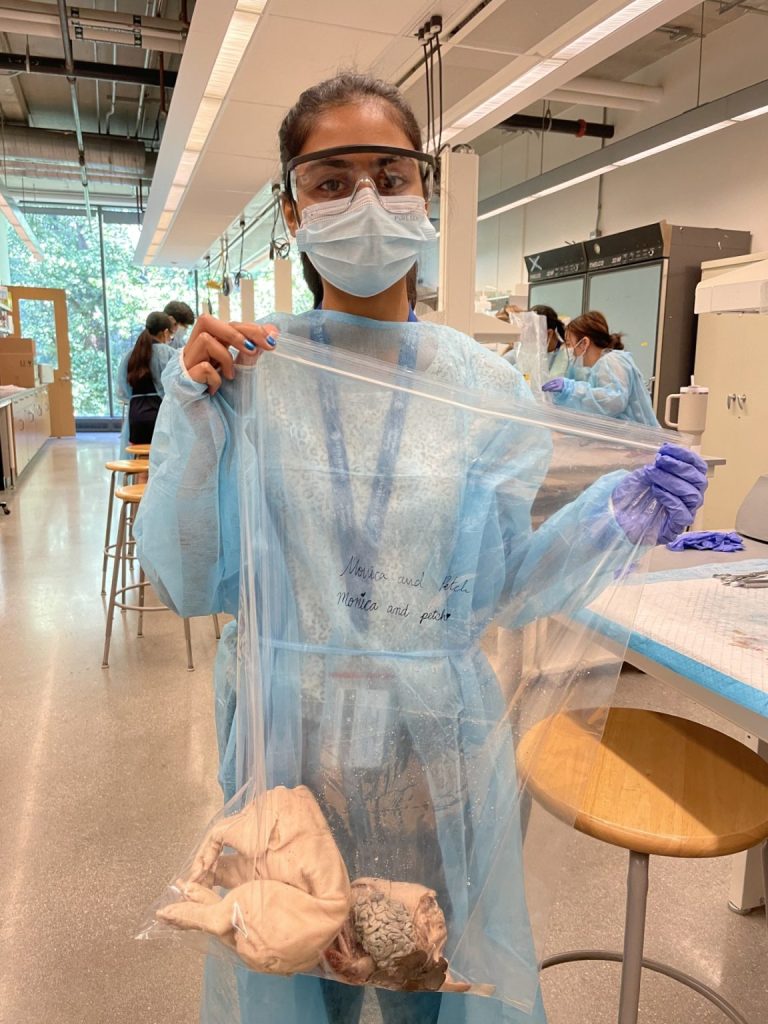
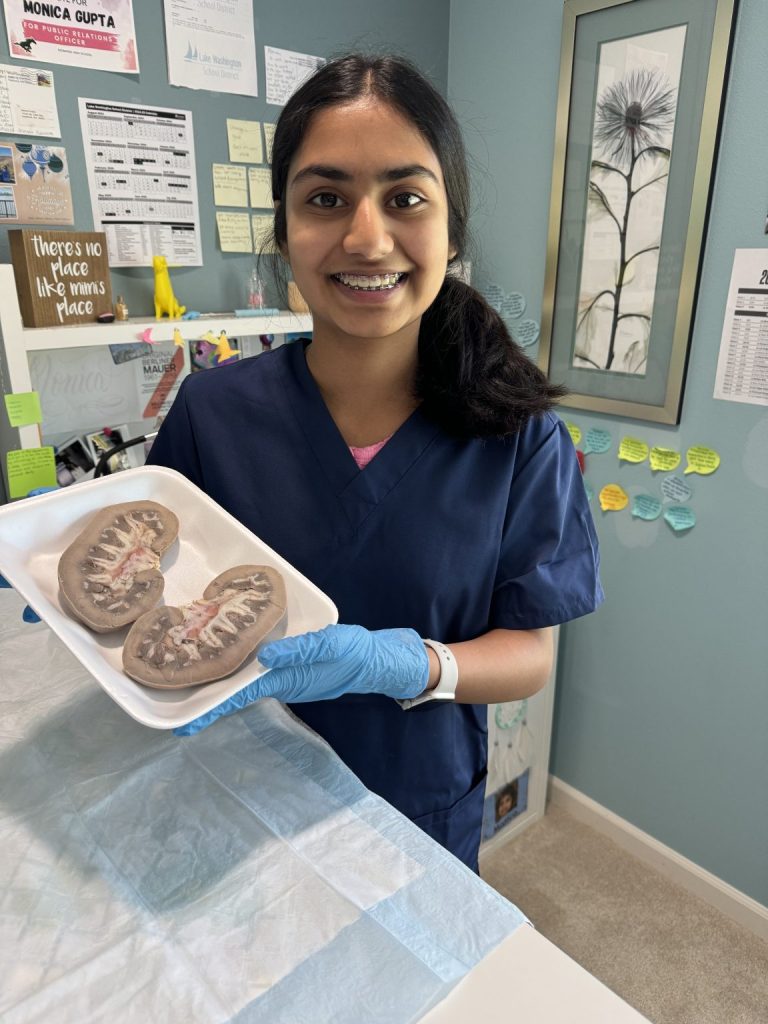
    One of the most memorable aspects of the program was the hands-on experience of dissecting a pig kidney, a sheep brain, and a pig heart. This practical approach allowed me to apply what I learned in lectures to real-world scenarios.

    I also gained a deeper understanding of the role of Physician Assistants (PAs) by participating in clinical scenarios. In one exercise, I had to diagnose a “patient,” played by a PA, by asking the right questions—a task that taught me the importance of communication and attention to detail in medicine.

    Overall, this internship not only expanded my knowledge of the medical field but also solidified my passion for pursuing a career in medicine. This has been my favorite experience of the summer of 2024!

  • During my time at a local Children’s Hospital Nurses Camp this summer, I had the unique opportunity to step into the world of pediatric nursing. About 4 immersive days, I shadowed experienced nurses across various hospital units, from the Cardiovascular Intensive Care Unit (CICU) to the Neonatal Intensive Care Unit (NICU) and surgical wards. This experience not only exposed me to the complexities of patient care but also provided invaluable insights into the roles and responsibilities of healthcare professionals. However, the camp ended abruptly on the fifth day due to a worldwide cyberattack that disrupted hospital systems, a stark reminder of the crucial role technology plays in healthcare. My journey through the camp was both educational and inspiring, offering a glimpse into the compassionate and demanding world of nursing.

    Day 1:

    • Hospital Tour: Explored various clinics, including rehab and NICU, and enjoyed a rooftop garden and lunch.
    • CICU Shadowing: Observed three nurses, visited six patient rooms, and learned about ECMO, a critical life support system. Gained insights into the roles of different healthcare professionals and the benefits of nurse unions on the West Coast. Nurses work 12-hour shifts, three times a week.

    Day 2:

    • NICU Shadowing: Assisted nurses caring for preemies, including tasks like diaper changes and checking for blood clots. Watched PT create a cast for a baby’s hand and observed the administration of caffeine and narcotics. Learned about safety protocols, like double-checking dosages with another nurse.

    Day 3:

    • Surgical Unit Shadowing: Encountered post-op patients and observed safety measures for infectious cases. Met patients with various conditions, such as Noonan syndrome and HLHS. Enjoyed snacks in the nurse lounge.

    Day 4:

    • PACU Shadowing: Focused on the pre-op section, following nurses as they prepared patients for surgery. Witnessed a mix-up with medical records, observed surgeries, and learned about pre-surgery protocols, including fasting and allergy checks. Noted the busy pace and the coordination between nurses, anesthesiologists, and doctors.

    Day 5:

    • Unexpected Cancellation: The final day of the camp was unexpectedly canceled due to a worldwide CrowdStrike event that caused hospital systems to go down. This abrupt end highlighted the critical role of technology in healthcare and the vulnerabilities that can disrupt patient care.